Real deployments of AI workstations inside businesses: the machines, the stack, the workloads, the people and the evidence behind each one. Customers are not named; sectors, environments and machines are.
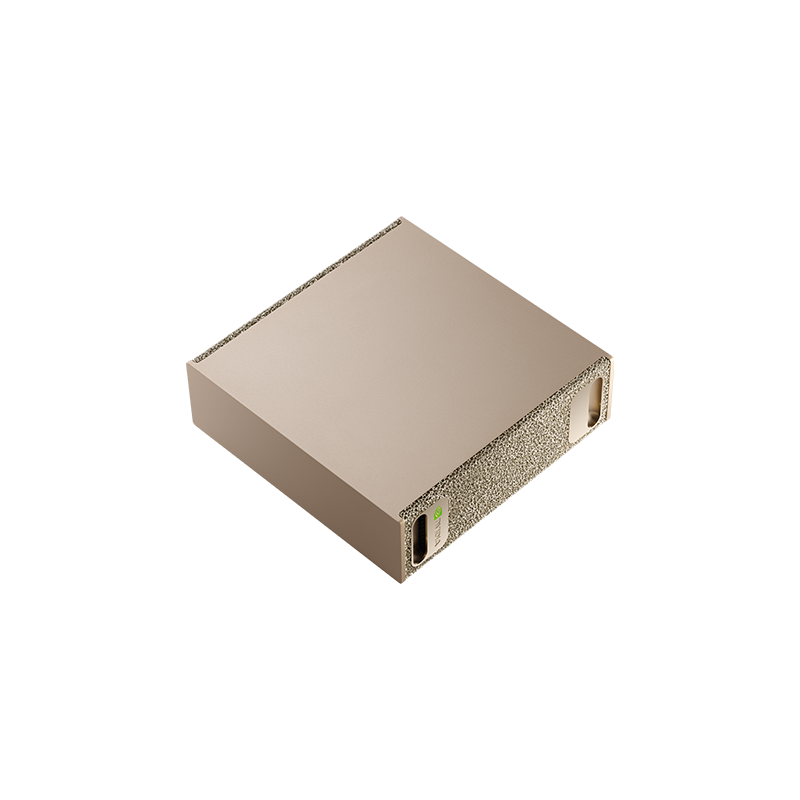
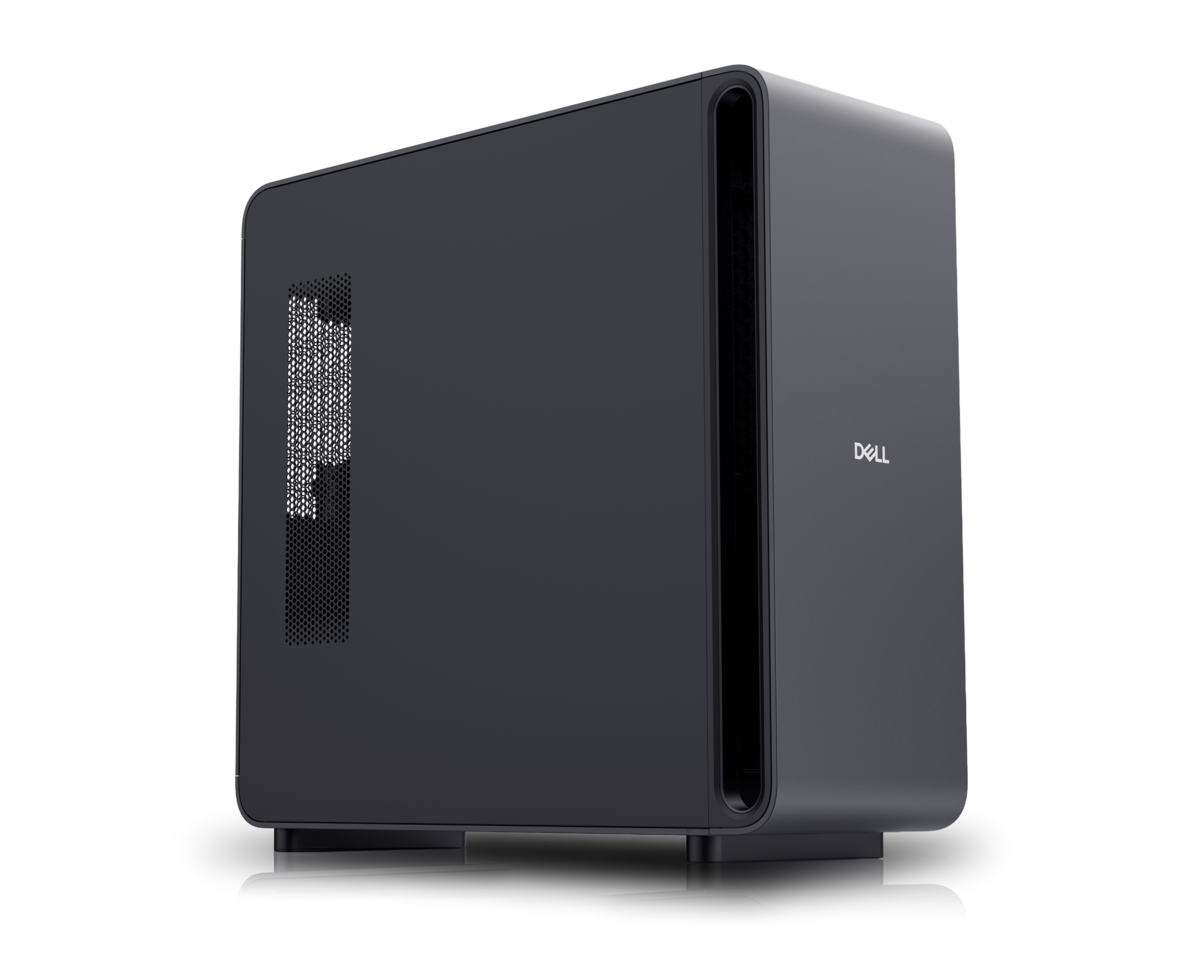
Two agents run the lab’s existing Python test automation through the controller API, judge results against the formal pass/fail protocols, retest within protocol and report. After a three-month pilot, each test bench received its own GB10-class workstation.
A GB300-class appliance in production and a GB10-class appliance for development, installed at the firm, run the Understand Tech platform locally. The first application automates legal documents; the firm holds its source code.
GB300-class workstations serve local open-weight models for most of the work; frontier cloud models are called only for the tasks that need them. Engineers work in VS Code with a local harness and a specification assistant.
Understand Tech moved its applications and shared inference from two rented cloud GPU instances to two DGX Spark units on the office floor: retrieval, agents and coding tools for the team.
A six-month pilot of a vision-plus-retrieval pipeline that turns intra-oral images into standardised phenotypes and weighted, source-cited rare-disease hypotheses. Production is designed for a DGX Spark-class appliance on site, air-gap capable, for health-data sovereignty.
In an office, a lab, a factory or beside your test equipment. Named or anonymised, with the machines, the stack and what you learned. The Lab team reviews before publication and keeps your name on it.
Untested templates to plan a scoped evaluation before you invest: the model and stack to pin, what to measure and what counts as useful. Reproductions can be published as records here.
The Lab is published by Understand Tech, which also offers managed deployments. That offer has no influence on the records, prices or order shown here.